
he National First Division doesn't get the glamour. No sprawling television deals, no packed stadiums of sixty thousand. But spend a Saturday afternoon at a ground like Meadow Park or Victoria Stadium, and you'll see something raw: players who know this is their last real shot, and fans who feel every tackle. I watched a match last season where a 34-year-old midfielder, once on the books of a top-flight club。played through a cracked rib because the team had no fit substitutes. That's the National First Division in a sentence—unpolished, unforgiving, and utterly compelling.
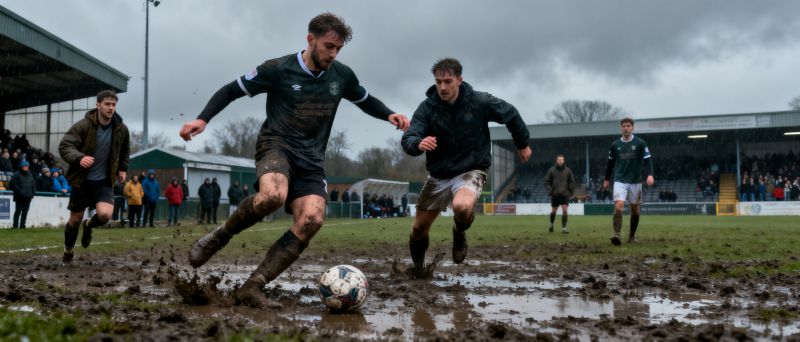
What separates this league from the tiers above isn't just money. It's the sheer unpredictability. I've tracked the National First Division for three seasons。and every year at least two promotion favorites collapse by November. Last campaign, a side tipped for relegation went on a nine-game unbeaten run after appointing a 29-year-old coach with no prior managerial experience. He told me later, 'We stopped trying to match the big spenders and just made our training ground a place nobody wanted to leave.' That kind of tactical pragmatism—and stubbornness—defines the division. You won't find elaborate pressing schemes here;you'll find low blocks, long throws, and a relentless physicality that wears down squads with thin rosters.Financial reality bites hard. Most National First Division clubs operate on annual budgets under £2 million, and player wages often hover near the national average. That means part-time contracts, second jobs, and awkward conversations with employers about Tuesday afternoon fixtures. I spoke to a left-back who drives a delivery van before dawn training sessions. He laughed about it: 'Beats sitting in an office.' But the pressure is real. One club I visited had a points deduction looming over unpaid taxes;the players found out via a leaked email the same morning they were due to face the league leaders. They lost 4-0. You can't separate the National First Division's sporting drama from its administrative fragility.Yet there's a beauty in that fragility. The promotion race—usually a slog of injuries and loan recalls—produces moments that stick with you. Two seasons ago, a goalkeeper scored a 94th-minute equalizer from a corner in the final matchday, sending his team to the playoffs on goal difference. The pitch invasion lasted twenty minutes. His teammates carried him off on their shoulders while the away fans stood in silence. That's not a scripted narrative;that's the National First Division's chaotic heart. The relegation battle is equally vicious. I've seen managers sacked within hours of a final whistle, replaced by coaches who'd been working in the club's community program.
Will the National First Division ever change?Some clubs are pushing for stricter financial fair play rules, better broadcast exposure。and a proper reserve league. Others resist, arguing that over-regulation would kill the improvisational spirit that makes the league work. I lean toward the skeptics. The division's identity is rooted in its imperfections—the muddy pitches, the volunteer stewards, the players who sign autographs for twenty minutes because nobody's waiting to usher them onto a coach. It isn't a stepping stone for everyone;
for many, it's the whole career. And that's precisely why it matters. The National First Division doesn't pretend to be the Premier League. It just gets on with the business of football, flawed and fierce and stubbornly alive.